
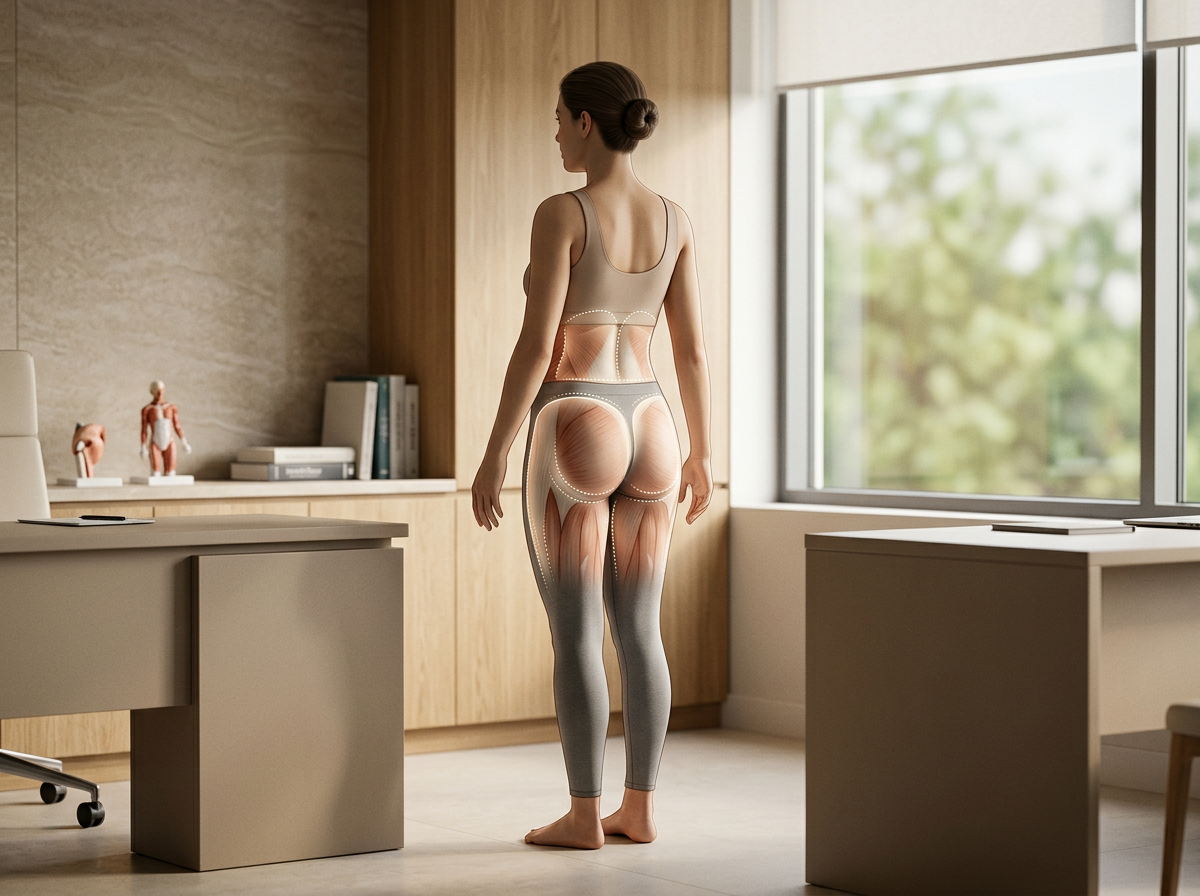
Body Contouring After Weight Loss in Gig Harbor, WA
Remove loose skin and restore a firmer, more defined shape after significant weight loss with board-certified plastic surgeon Dr. Melissa Larsen.
Body Contouring After Weight Loss
Losing a significant amount of weight is a major accomplishment, whether you got there through diet and exercise, bariatric surgery, or GLP-1 medications such as semaglutide (Ozempic®, Wegovy®) and tirzepatide (Mounjaro®, Zepbound®). For many patients, it also leaves behind loose or overhanging skin that diet and exercise can't tighten. This is especially common when weight comes off quickly, because skin doesn't have time to adapt to the body's new shape.
Body contouring after weight loss removes excess skin and reshapes the areas most affected, such as the abdomen, arms, thighs, and breasts. Every plan is built around your body, your goals, and how much change you've been through. For many patients, it's the final step that lets their shape reflect the work they've already done.

Who Is a Good Candidate?
Body contouring after weight loss may be appropriate for patients who:
Have loose, sagging, or overhanging skin following significant weight loss
Have reached or are close to their goal weight, and have held it steady for several months
Experience rashes, irritation, or trouble with clothing fit caused by excess skin
Are eating well, with enough protein to support healing
Don't smoke, or are willing to stop before and after surgery
Are in good overall health and have realistic expectations
During your consultation, Dr. Larsen evaluates your skin quality, the areas that concern you most, and your weight-loss history. She then recommends which procedures to consider and in what order.
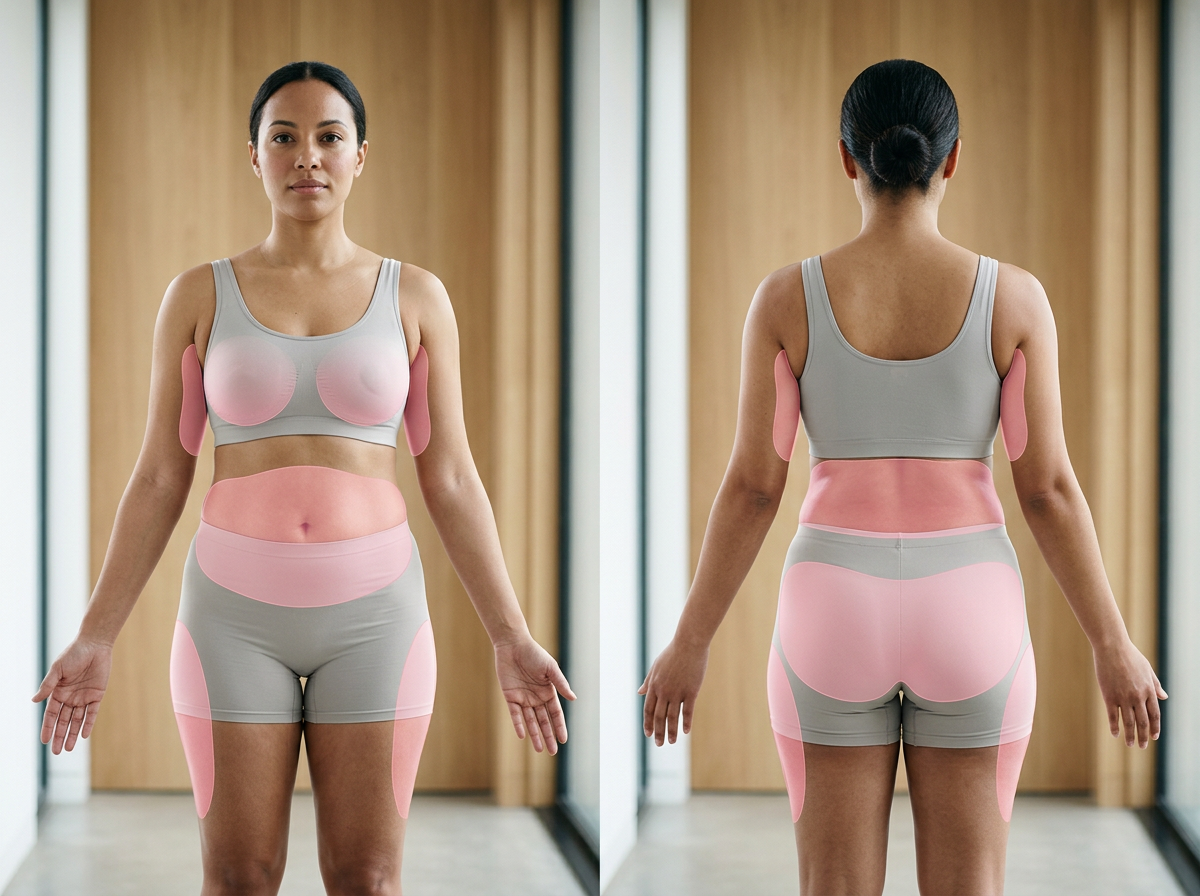
Areas We Treat
Weight loss affects every body differently. Your plan may focus on a single area or combine several.
Abdomen – Tummy Tuck (Abdominoplasty)
The most common procedure after weight loss. It removes loose and overhanging abdominal skin, tightens separated abdominal muscles, and creates a smoother, flatter contour.
Upper Arms – Arm Lift (Brachioplasty)
Removes excess skin from the upper arms that hangs or sways, creating a firmer, more toned arm contour.
Inner Thighs – Medial Thigh Lift
Removes loose inner-thigh skin that can cause chafing and discomfort, improving both contour and comfort when moving.
Breasts – Breast Lift (Mastopexy)
Weight loss often leaves the breasts deflated and sitting lower on the chest. A breast lift raises and reshapes them for a more youthful position.
Breasts – Lift with Augmentation
For patients who have lost volume as well as position, a lift can be combined with implants to restore fullness.
Men's Chest – Male Breast Reduction (Gynecomastia)
After major weight loss, many men are left with loose chest skin. Surgery removes excess skin and tissue for a flatter, more masculine chest.
Liposuction
Liposuction refines stubborn areas of fat and is often combined with skin-removal procedures. On its own it doesn't tighten loose skin, so it's rarely the primary procedure after significant weight loss.
Combining Procedures
Many patients treat two areas at once, such as a tummy tuck with a breast lift.
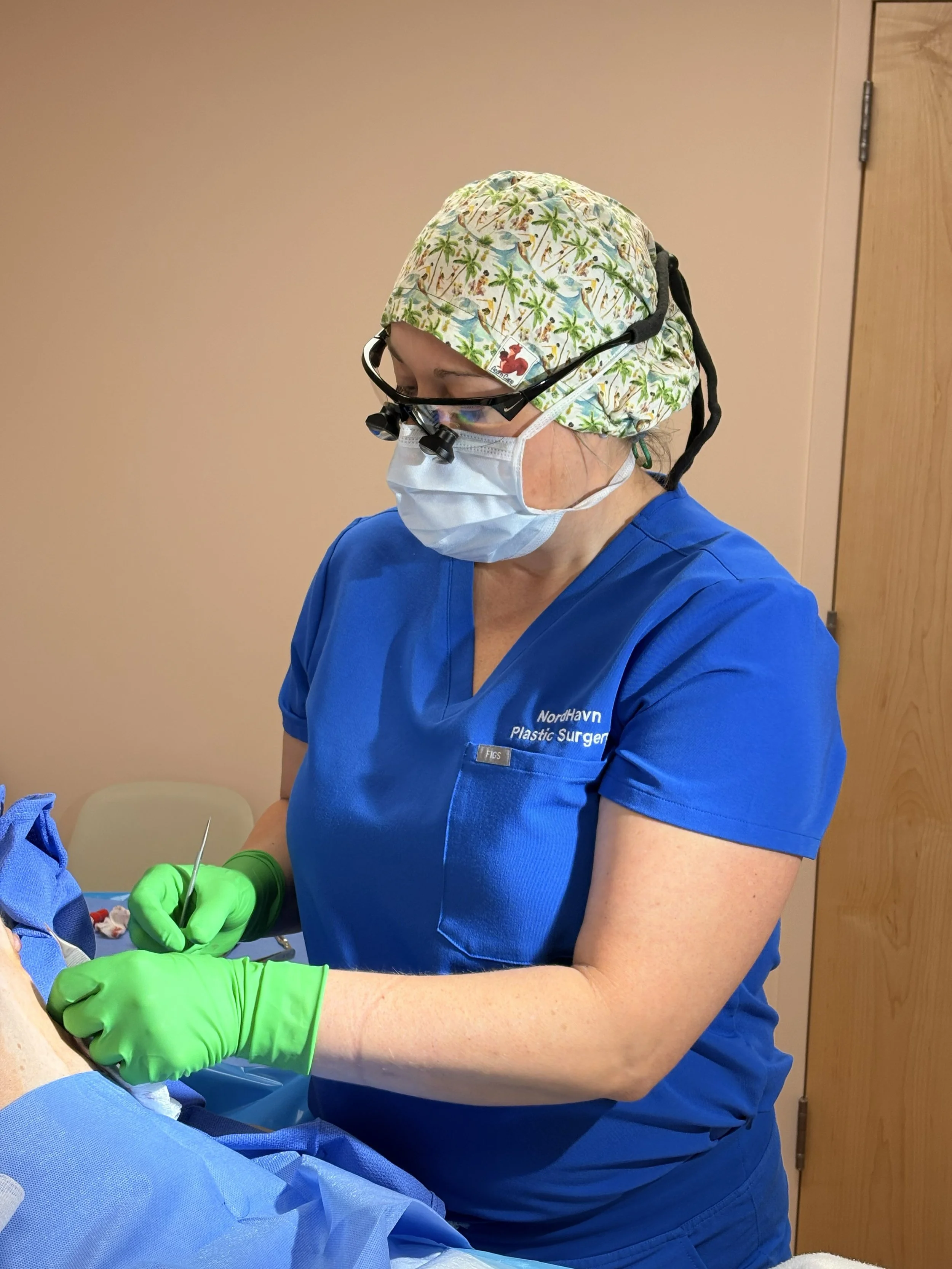
Planning Your Procedures
Body contouring after weight loss is performed at an accredited outpatient surgical facility under general anesthesia.
In general:
Procedures are prioritized based on the areas that bother you most and what can safely be combined
Some procedures can be done together in a single surgery. More extensive plans are often staged into two or more surgeries spaced several months apart.
Staging keeps each surgery a safer length and makes recovery more manageable
Incisions are placed where clothing and swimwear can hide them whenever possible
Dr. Larsen will map out a complete plan with you at your consultation, including which areas to treat first.
GLP-1 Medications and Surgery
If you're currently taking a GLP-1 medication, let us know at your consultation. These medications slow digestion, which matters when planning anesthesia. Our team will coordinate timing with you and your prescribing provider, so you'll know exactly what to do in the days before your procedure.
Many patients also choose to reach a stable maintenance dose, or finish their medication course, before surgery. This helps make sure your results reflect a weight you can maintain.
Recovery
Recovery depends on which procedures are performed and how many are combined. Most patients follow a general pattern:
Week 1: Swelling, bruising, and tightness are common. You'll wear compression garments, and activity is limited to light movement around the home.
Weeks 1–2: Comfort improves steadily, and most patients manage well at home. Avoid lifting, straining, or strenuous activity.
Weeks 3–4: Energy and mobility improve noticeably. Many patients return to desk work and light daily activities.
Week 6+: Most normal activities and exercise can resume. Dr. Larsen clears activity based on your individual healing at follow-up visits.
Combined or staged procedures may extend this timeline. Dr. Larsen provides detailed postoperative instructions and follow-up care throughout your recovery.

Results
Body contouring removes skin that weight loss alone cannot. Results are immediate and long-lasting when your weight remains stable.
Swelling resolves gradually over several weeks to months
Final contours are typically apparent at 3–6 months, and later for staged plans
Incisions are placed as discreetly as possible, though skin removal does leave scars
Scars fade considerably over 12–18 months
Maintaining a stable weight is the most important factor in keeping your results.
Frequently Asked Questions
How long should I wait after losing weight before surgery?
Most patients do best when their weight has been stable for several months, because surgery while your weight is still changing can affect results. Dr. Larsen will help you decide when the timing is right.
Can I have surgery while I'm on a GLP-1 medication?
Often, yes. We'll coordinate the timing of your medication around surgery with you and your prescribing provider. Be sure to tell us about all your medications at your consultation.
Will I need more than one surgery?
It depends on how many areas you want to address. One or two areas can often be treated together. More extensive plans are usually staged for safety and an easier recovery.
Can't I just do liposuction?
Liposuction removes fat, not loose skin. After significant weight loss, the main concern is usually excess skin, which has to be removed surgically. Liposuction is often added to refine the result.
Will there be scars?
Yes. Removing loose skin requires incisions, and their length depends on how much skin is removed. Dr. Larsen places incisions to be as discreet as possible, and most patients find the trade-off well worth it.
Is this covered by insurance?
NordHavn is a self-pay cosmetic practice and does not bill insurance. Financing options are available to help make treatment manageable. Learn more here.
What does body contouring after weight loss cost?
Pricing depends on which areas are treated and whether procedures are combined or staged. You'll receive a personalized quote after your consultation. Financing options are available. — learn more here.

Meet Dr. Melissa Larsen, MD
Dr. Melissa Larsen is a board-certified plastic and reconstructive surgeon serving patients in Gig Harbor and the greater Tacoma area. She is certified by the American Board of Plastic Surgery (ABPS) and completed her six-year Plastic & Reconstructive Surgery Integrated Residency at Oregon Health & Science University. Dr. Larsen is committed to personalized care that achieves natural, balanced results.
Ready to Take the Next Step?
Schedule a consultation with Dr. Larsen to discuss your goals, review your options, and build a plan to complete your weight-loss journey.